Source rose shape brass eyelets for Bags, Shoes, and Clothing
Compare 29 listings of rose shape brass eyelets from verified Chinese manufacturers. Buyers can evaluate customization options, plating finishes, and dimensions for bags, shoes, and clothing applications. These metal eyelets feature nickel-free properties and are available in various sizes including round and square shapes with cut edge or flower designs.
Key considerations
Products List


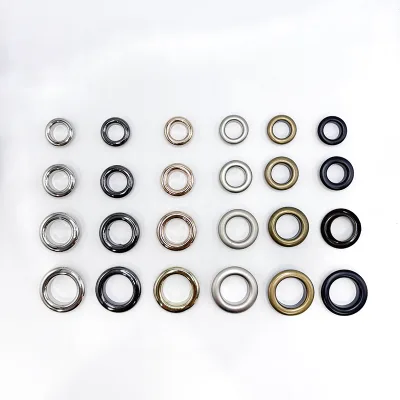
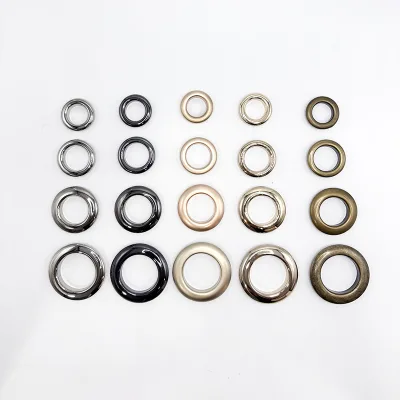
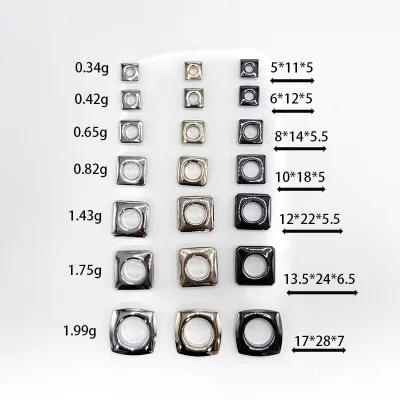


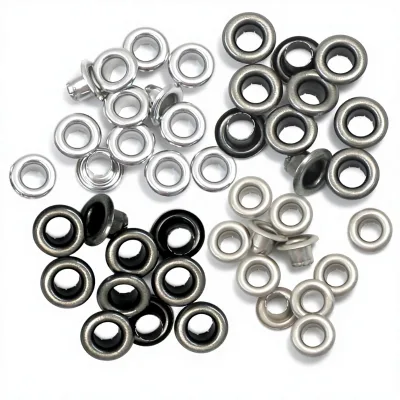


Comprehensive Sourcing Guide
Rose Shape Brass Eyelets Sourcing Guide
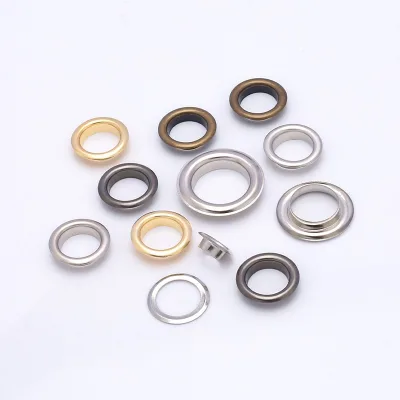
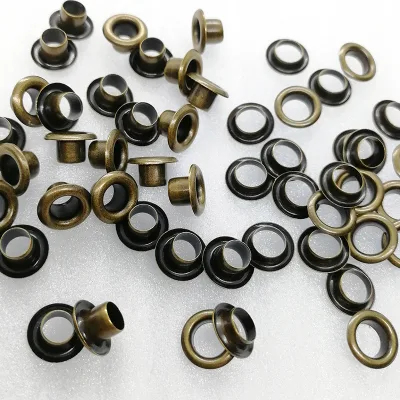
Procuring rose shape brass eyelets requires a clear understanding of the specific aesthetic and functional demands of your product line, particularly for applications in bags, shoes, clothing, and decorative accessories. The observed market data indicates that these components are frequently customized to match specific design drawings, with outer shapes ranging from cut edges to bold rims and capped mesh variations. Buyers must recognize that while the core material is consistently brass, the final appearance relies heavily on surface treatments like plating or painting, which can alter the visual profile from gun metal to antique brass or nickel finishes.
When initiating a search, it is critical to distinguish between standard catalog items and fully bespoke solutions, as the supply chain often supports both OEM and custom drawing requirements. The available product listings suggest a wide range of sizes, from small 10mm variants to larger 60mm options, each with distinct inner and outer diameter specifications. Sourcing teams should prioritize suppliers who explicitly confirm their ability to produce the "rose" or "flower" shape with the precise dimensions required for your specific application, ensuring that the eyelet's structural integrity matches the stress points of the fabric or leather it will reinforce.
Product Scope and Observed Listing Signals
The current market landscape for rose shape brass eyelets reveals a diverse array of product attributes, including specific color options like gun metal, nickel, and antique brass, alongside various surface treatments such as plating and painting. Buyers should note that while the base material is predominantly brass, some listings also reference aluminum and stainless steel, necessitating a strict verification of the material composition to ensure the final product meets durability and corrosion resistance standards. The observed product shapes include round and square variants, but the specific "rose" or "flower" shape is a distinct customization that requires careful attention to the supplier's capability to execute complex outer shapes like cut edges or bold rims.
Commercial signals in the market indicate a flexible approach to packaging and logistics, with options ranging from simple polybags to more robust carton and packing belt configurations. The observed single package sizes vary significantly, suggesting that buyers must calculate shipping costs based on the specific dimensions of their order rather than assuming a standard unit size. Furthermore, the presence of detailed size specifications, such as outer diameters ranging from 20.5mm to 60mm and corresponding heights, highlights the importance of providing exact technical drawings to avoid receiving components that are aesthetically similar but functionally incompatible with the intended application.
Technical Specifications to Verify
Technical verification for rose shape brass eyelets must begin with the precise dimensional tolerances, as the market data shows a wide spectrum of sizes from 10mm to 60mm with varying inner and outer diameters. Buyers should explicitly request the exact outer diameter, inner diameter, and height measurements for the specific rose shape variant they require, as these dimensions directly impact the eyelet's ability to pass through fabric layers and secure the grommet properly. The observed listings provide specific examples, such as a 20.5mm outer diameter with a 12mm inner hole, but these are not universal standards; therefore, confirming the exact geometry against your design drawing is essential to prevent assembly failures.
In addition to dimensions, the surface treatment and plating process are critical technical factors that determine the longevity and aesthetic consistency of the eyelets. The supply chain offers options like nickel-free plating, painted finishes, and various metal types, all of which must be aligned with the environmental and usage requirements of the final product. Buyers need to verify that the chosen surface treatment, whether it is a standard plating or a custom paint, will withstand the intended conditions, such as washing or exposure to moisture, without degrading or losing its color, especially given the diverse applications ranging from tents to fashion accessories.
Compliance and Safety Documentation
Safety and compliance documentation for brass eyelets often centers on the chemical composition of the plating and the absence of hazardous substances, particularly nickel, which is a common allergen. The observed product data explicitly mentions "Nickel-Free" and "Lead Test: Less 90 Ppm" as key attributes, indicating that reputable suppliers provide test results to verify these safety claims. Procurement teams must request current test reports from recognized third-party agencies like SGS, BV, or Interk to confirm that the eyelets meet international safety standards for consumer goods, ensuring that the products are safe for direct skin contact in clothing and footwear applications.
Beyond chemical safety, buyers should verify that the supplier adheres to relevant industry standards and quality management systems, as the market data references standards like EN1405-30330 and general OEM requirements. While specific certification numbers may vary by product model, the presence of these references suggests a baseline expectation for quality control and traceability. It is imperative to ensure that the supplier can provide documentation proving that their manufacturing processes, including surface treatments and material sourcing, comply with the regulatory requirements of the destination market, thereby mitigating the risk of product recalls or legal liabilities.
Cost Drivers and Commercial Terms
The cost of rose shape brass eyelets is influenced by several key drivers, including the complexity of the custom shape, the type of metal used, and the specific surface treatment applied. While the base material is typically brass, the addition of plating, painting, or specialized finishes like gun metal or antique brass can significantly increase the unit price. Buyers should anticipate that custom orders requiring specific drawings or unique outer shapes, such as the rose or flower design, will carry a higher cost than standard round eyelets due to the additional tooling and production time required to achieve the precise aesthetic.
Commercial terms in this sector often involve flexible minimum order quantities (MOQ) and variable lead times, with observed ranges spanning from 2 to 20,000 units and sample lead times as short as seven days. The pricing structure is likely tiered, with unit costs decreasing as order volume increases, but buyers must be aware that the MOQ can vary significantly depending on the customization level and the supplier's capacity. Additionally, packaging requirements, such as the choice between polybags and cartons, can impact the overall landed cost, so it is essential to negotiate these terms clearly to align with your logistics and inventory management strategies.
Supplier Qualification and Quality Control
Qualifying a supplier for rose shape brass eyelets requires a rigorous assessment of their manufacturing capabilities, particularly their ability to execute complex custom shapes and maintain consistent quality across large batches. Buyers should verify that the supplier has a proven track record in producing eyelets for diverse applications, from bags and shoes to tents and banners, as this indicates a versatile production line capable of handling different material and design requirements. The presence of specific product models and detailed size specifications in the market suggests that experienced suppliers can provide samples that closely match the requested design, which is a critical step before committing to a full production run.
Quality control processes must be a central part of the supplier evaluation, focusing on the consistency of the plating, the accuracy of the dimensions, and the absence of defects like burrs or uneven edges. Buyers should request a detailed quality control plan that outlines how the supplier inspects raw materials, monitors the plating process, and conducts final product checks. Given the observed mention of third-party testing agencies like SGS and BV, it is advisable to require that the supplier undergoes regular audits and provides independent test reports to ensure that the eyelets consistently meet the specified standards for durability, anti-rust properties, and safety.
Long-Term Procurement Checks
Establishing a long-term procurement relationship for rose shape brass eyelets involves regular performance reviews to ensure that the supplier continues to meet quality, delivery, and cost expectations over time. Buyers should implement a system for tracking defect rates, delivery timeliness, and responsiveness to design changes, as these metrics are critical for maintaining the integrity of the final product. The dynamic nature of the market, with varying material costs and production capabilities, means that periodic re-evaluation of the supplier's performance is necessary to identify any potential risks or opportunities for optimization in the supply chain.
Sustainability and adaptability are also key considerations for long-term procurement, as the industry increasingly demands eco-friendly and durable products. Buyers should verify that the supplier is committed to maintaining their "Eco-Friendly" and "Nickel-Free" claims over the long term, ensuring that their production processes remain compliant with evolving environmental regulations. Additionally, the ability of the supplier to scale production up or down based on market demand, while maintaining the specific "rose" shape and finish quality, is essential for a resilient supply chain that can adapt to changing consumer trends and business needs.
FAQs
What customization options are available for rose shape brass eyelets?
Customization is available for these eyelets to meet specific buyer needs. You can request different outer shapes like cut edges or flower designs. Surface treatments are also adjustable according to customer requirements, allowing for tailored finishes such as plating or painting to match your product specifications.
Which materials are used to manufacture these brass eyelets?
These eyelets are primarily made from brass, though aluminium and stainless steel are also listed as available materials. The product attributes confirm the use of metal as the base material. This ensures durability and resistance to rust, making them suitable for various applications like bags, shoes, and clothing accessories.
Can I find nickel-free options for these eyelets?
Yes, nickel-free options are available for these eyelets. The product features explicitly list nickel-free as a key attribute. Some listings also mention a lead test result of less than 90 ppm, ensuring they meet safety standards for eco-friendly and durable accessories used in fashion and outdoor gear applications.
What is the lead time for sample orders of these eyelets?
Sample orders for these eyelets can be supported with a lead time of 7 days. This quick turnaround allows buyers to evaluate product quality and specifications before placing larger orders. The packaging for samples typically includes a polybag, carton, and packing belt to ensure safe transport during this initial phase.
How are these eyelets packaged for shipment?
Packaging options include cartons, polybags with cartons, and packing belts depending on the specific order requirements. Some listings specify single package sizes like 3.2x3.2x7 cm or 6x6x8 cm. The standard packaging ensures the eyelets remain protected during transit while maintaining their shape and surface treatment quality.
Which certifications are accepted for these eyelets?
Accepted testing and certification bodies include SGS, BV, and Interk for quality verification. These tests ensure the products meet international standards for safety and material composition. Buyers can request specific test reports to confirm compliance with regulations regarding lead content and nickel-free status for their target markets.
What is the minimum order quantity for these eyelets?
The minimum order quantity ranges from 2 to 20,000 units depending on the supplier and specific product configuration. This flexibility allows small businesses to start with low volumes while accommodating large-scale production needs. Buyers should verify the exact MOQ with the manufacturer to align with their inventory planning.